How can You Category Digital Marketing: Like a Pro!
Digital marketing keeps evolving from time to time. A business will depend on it to reach its audience online. Using many strategies can be confusing because you will never know which is best for you.
Category Digital Marketing strategies and techniques used to reach consumers online. By putting together a digital marketing category, you may find it easier to understand how each works, contributing to a successful online presence.
Types of Digital marketing
Digital marketing is broadly divided into 8 main categories; Papayacoders now talks about some of the most popular Category Digital Marketing and provides a brief overview of each:
categories of digital marketing platforms
Search Engine Optimization (SEO)
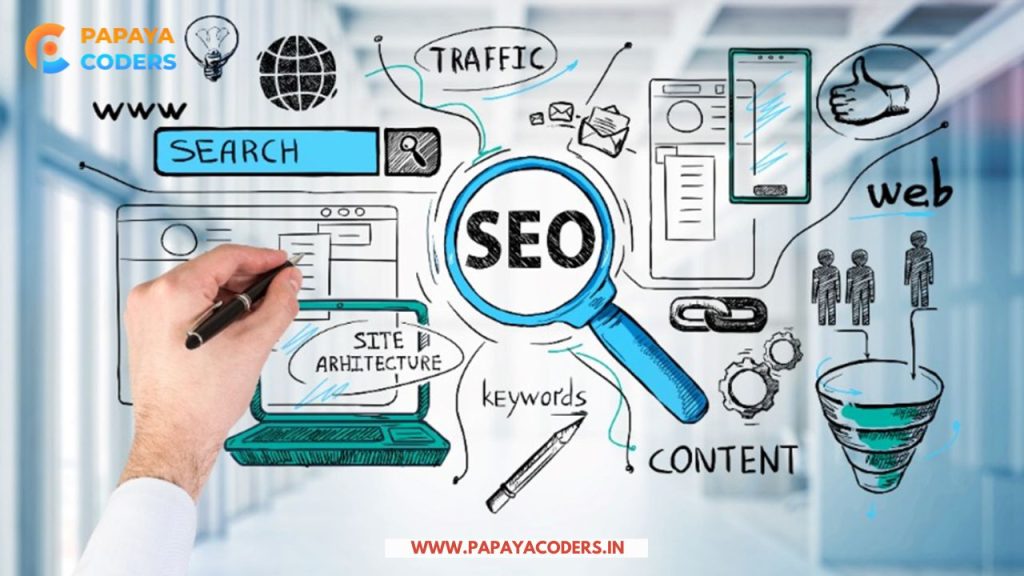
SEO is all about optimizing a website in search engines like Google and making the website rank higher. This will help people find it faster and easier. SEO optimizes content on a site for organic traffic, adds relevant keywords, speeds up the site, and builds backlinks.
It will get you, free customers, at your door and become a more sustainable way to build credibility and authority within your industry. About Search Engine Optimization (SEO) presented in a table:
SEO Aspect
Description
Keyword Research
Finding relevant and high-traffic keywords.
On-Page SEO
Optimizing content, meta tags, and headers.
Off-Page SEO
Building backlinks and improving domain authority.
Technical SEO
Ensuring website speed, mobile-friendliness, and security.
Content Quality
Creating valuable, informative, and engaging content.
User Experience (UX)
Enhancing site navigation and usability.
Analytics & Tracking
Monitoring performance using tools like Google Analytics.
Local SEO
Optimizing for local search queries and Google My Business.
Mobile Optimization
Ensuring the website is responsive on mobile devices.
SEO Audits
Regularly checking and updating SEO strategies.
Pay-Per-Click Advertising (PPC)
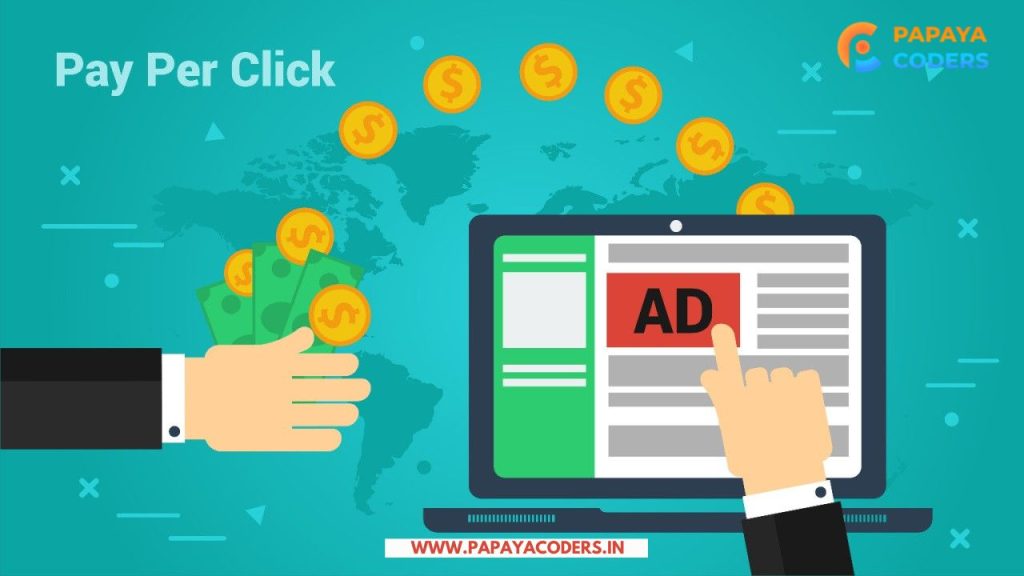
PPC, or Pay-Per-Click advertising, is a paid advertising model that works on the bidding of products for the keywords displayed on a search engine or social networking site. There are numerous ways through which visitors can easily be directed to a website, and they pay only for the clicks on the advertisements.
A good PPC campaign can bring quick traffic and turn that traffic into revenue. Compared to SEO, which may take a certain period to yield results, PPC can provide immediate visibility, making it appropriate for urgent promotions and product launches.
about Pay-Per-Click Advertising (PPC) presented in a table:
PPC Aspect
Description
Keyword Selection
Choosing relevant and high-converting keywords.
Ad Copy
Crafting compelling and persuasive ad text.
Landing Page Optimization
Ensuring the landing page is relevant and user-friendly.
Bid Management
Setting and adjusting bids to maximize ROI.
Quality Score
Improving ad relevance, click-through rate, and landing page experience.
Targeting Options
Utilizing demographics, location, and device targeting.
Ad Extensions
Adding features like callouts, sitelinks, and reviews.
A/B Testing
Testing different ad copies and visuals for better performance.
Budget Management
Allocating and controlling ad spend effectively.
Performance Tracking
Analyzing metrics like CTR, CPC, and conversion rate.
Content Marketing
Content marketing is about creating informative and engaging content that is valuable to your customers. This ranges from blogs to videos to infographics to even eBooks. High-quality content earns trust in the audience and develops brand authority and customer relationships.
In other words, good content marketing cultivates a perception of your company as a resourceful entity within its niche. About Content Marketing presented in a table:
Content Marketing Aspect
Description
Content Strategy
Planning and aligning content with business goals.
Audience Research
Understanding target audience needs and preferences.
Content Creation
Developing high-quality and engaging content.
Content Types
Using blogs, videos, infographics, podcasts, and more.
SEO Optimization
Incorporating relevant keywords for better search visibility.
Content Distribution
Sharing content across various platforms (social media, email, etc.).
Consistency & Frequency
Maintaining a regular publishing schedule.
Engagement & Interaction
Encouraging audience interaction and feedback.
Performance Analysis
Measuring KPIs like traffic, engagement, and conversions.
Content Repurposing
Reusing content in different formats for maximum reach.
Social Media Marketing
These social media sites allow businesses to connect directly with their audience. Each site has its mechanism and/or features with which posts, stories, live videos, and paid ads such as Facebook, Instagram, Twitter, and LinkedIn can engage an audience themselves.
This is how a potent social media strategy will create brand awareness and increase website traffic. Consistency and engaging audience interaction lay the foundation for strong loyalty development. About Social Media Marketing presented in a table:
Social Media Marketing Aspect
Description
Platform Selection
Choosing the right social media platforms (e.g., Facebook, Instagram, LinkedIn) based on the target audience.
Content Strategy
Planning and creating engaging and relevant content.
Brand Voice & Identity
Maintaining a consistent brand voice and visual identity.
Audience Engagement
Interacting with followers through comments, messages, and polls.
Hashtag Strategy
Using relevant hashtags to increase content visibility.
Paid Advertising
Running targeted ads to reach a wider audience.
Influencer Collaboration
Partnering with influencers for brand promotion.
Analytics & Insights
Monitoring performance metrics like reach, engagement, and conversion.
Social Media Trends
Keeping up with trends to stay relevant and innovative.
Crisis Management
Handling negative feedback or social media crises effectively.
Email Marketing
Email marketing has stayed within the highly effective methods of communicating with the audience. Personalized emails can create promotional offers and automated follow-up processes in lead nurture and sales generation.
When done rightly, email marketing effectively fosters customer loyalty and keeps one's brand top of consciousness. Segmentation of email lists, as well as the creation of better subject lines, improves open rates and, thereby, engagement.
About Email Marketing presented in a table:
Email Marketing Aspect
Description
Audience Segmentation
Dividing the audience into groups for personalized messaging.
Email List Building
Growing an email list through sign-ups, lead magnets, etc.
Email Design & Layout
Creating visually appealing and mobile-responsive emails.
Personalization
Using recipient's name and personalized content for better engagement.
Compelling Subject Line
Crafting attention-grabbing subject lines to increase open rates.
Call-to-Action (CTA)
Including clear and persuasive CTAs to drive conversions.
Automation & Drip Campaigns
Setting up automated sequences for consistent communication.
A/B Testing
Testing different elements (subject lines, CTAs, content) to optimize performance.
Analytics & Metrics
Tracking KPIs like open rate, click-through rate, and conversion rate.
Compliance & Privacy
Following regulations like GDPR and CAN-SPAM for legal compliance.

Affiliate Marketing
Also, keep in mind affiliate marketing performance-based section government and the contracting partners such as influencers, bloggers, and content promoting products and services. The affiliate earns a commission per sale made via their referral links.
This method expands your reach and helps attract some new customers with the lowest cost possible. As the affiliates have their stake in generating sales, this strategy often results in highly converting performances.
About Affiliate Marketing presented in a table:
Affiliate Marketing Aspect
Description
Affiliate Network Selection
Choosing the right platform (e.g., Amazon Associates, ShareASale).
Niche Selection
Picking a profitable niche that aligns with the audience's interests.
Affiliate Partnerships
Collaborating with relevant affiliates and influencers.
Content Creation
Developing high-quality content to promote affiliate products.
Promotion Channels
Using blogs, social media, email, and videos for promotion.
Tracking & Analytics
Monitoring clicks, conversions, and sales through tracking tools.
SEO Optimization
Implementing SEO techniques for organic traffic.
Disclosure & Transparency
Clearly disclosing affiliate relationships to maintain trust.
Commission Structure
Understanding and optimizing commission rates and payout methods.
Compliance & Legal Aspects
Complying with legal guidelines, including FTC regulations.
Influencer Marketing
Influencer marketing means going for social media personalities who have built a loyal following. They promote brands by talking about personal experiences with products or services. Influencer marketing can highly influence purchasing decisions since buyer confidence is usually placed on the recommendations of people they follow. However, choosing the right influencer for your brand is all about authenticity and credibility.
Important aspects of Influencer Marketing in short:
Aspect
Description
Influencer Selection
Choosing relevant influencers for the brand.
Campaign Goals
Setting clear objectives (awareness, sales).
Content Collaboration
Co-creating engaging content.
Platform Choice
Selecting the right social media platforms.
Budget & Compensation
Planning payments or incentives.
Transparency
Disclosing partnerships clearly.
Performance Tracking
Measuring reach, engagement, and conversions.
Long-Term Relations
Building ongoing partnerships.
Video Marketing
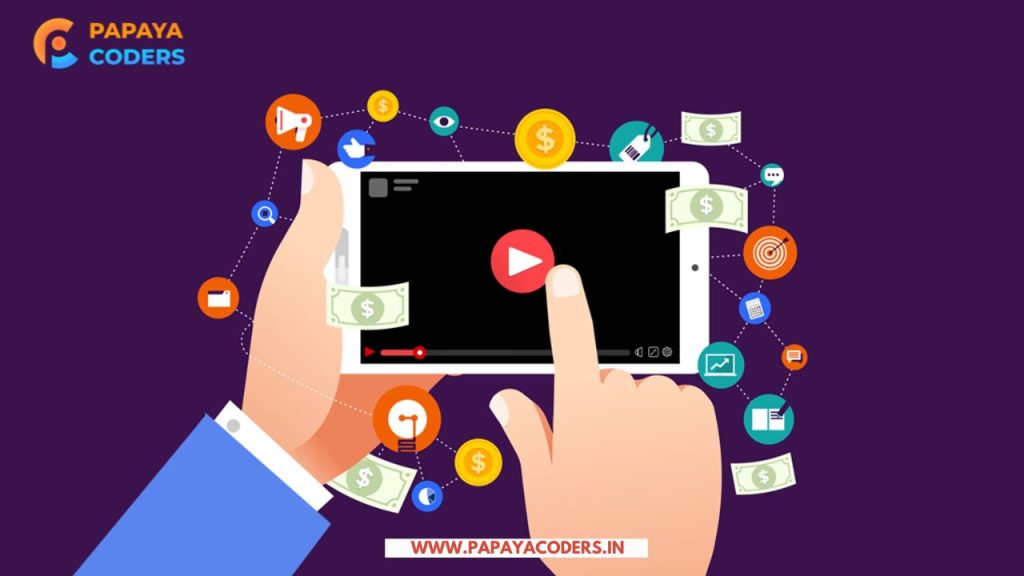
Video content is a mighty tool in digital marketing. Businesses can share product demonstrations, tutorials, customer testimonials, and behind-the-scenes content on platforms like YouTube, TikTok, and Instagram. Engaging video content raises brand awareness, customer engagement, and sales. Short-form videos, in particular, have become almost instantly appealing.
Essential aspects of Video Marketing in short:
Aspect
Description
Video Strategy
Planning content to align with marketing goals.
Platform Selection
Choosing platforms like YouTube, Instagram, TikTok.
Video Types
Using tutorials, testimonials, live videos, etc.
Storytelling
Creating engaging narratives to connect with the audience.
SEO Optimization
Optimizing titles, tags, and descriptions for better visibility.
Video Quality
Ensuring high-quality visuals and audio.
Call-to-Action (CTA)
Including clear CTAs to drive engagement.
Analytics & Metrics
Tracking views, watch time, and conversions.
Mobile Marketing
Mobile marketing has become critical with the advent of smartphones. It includes SMS marketing, mobile-compatible websites, application advertisements, and promotions based on a user's geographical location.
Mobile optimization makes it easier for consumers to reach businesses and improves their experience and conversion rates. The mobile-first approach is oriented towards users who consume via mobile in browsing and shopping.
Important aspects of Mobile Marketing in short:
Aspect
Description
Mobile Optimization
Ensuring mobile-friendly websites and content.
App Marketing
Promoting apps through app stores and ads.
SMS & Push Notifications
Engaging users with timely updates and offers.
Location-Based Marketing
Targeting users based on their location.
Social Media Integration
Leveraging mobile social platforms for engagement.
Mobile Ads
Using in-app ads and mobile-specific campaigns.
Responsive Design
Creating content that adapts to all screen sizes.
Analytics & Tracking
Measuring user behavior and campaign effectiveness.

How to Choose the Right Digital Marketing Strategy?
Every business has its requirements, so any marketing strategy pleasantly differs according to specific industries, intended audience, and respective goals. For instance, an SEO and social media marketing orientation would pay the most dividends in a local operation, while the orientations considered perhaps best for an e-commerce store are PPC and influencer partnerships.
Acquaintance with these categories permits fine-tuning a strategy that meets its very business goals and will provide the best output. As different strategies are applied and their performance metrics are observed, relevant refining can be done to enhance the strategy over time.
Read also:-
- The Future Of Augmented Reality (AR) in Digital Marketing?? (Update 2025)
- Restarting node Application in node JS: A Complete Guide!
Final Thoughts:
Digital marketing provides countless opportunities for businesses to expand and engage with their customers. Whether you choose SEO, social media, email, or paid ads, they are all key to building an online presence.
The trick is to try various approaches and find the right combination for your audience. Ready to take your marketing to the next level? Implement these strategies today and see your business grow!
If you like this**, how can you category digital marketing?** Post it, then comment and share your opinion with us. Attention Readers! Join us on WhatsApp Community for daily auto news updates.
You can follow Papayacoders on Twitter, Facebook, Instagram, and Google News. Visit papayacoders.in for the most recent news, reviews, and tech guides. In my previous blog on Create Best App for Your Business, I ended the post by linking to one of our final guides.